Home Window Tinting Snellville GA for Cooler West-Facing Rooms
Residential film for two-story family rooms, sunrooms and front-door sidelights
Home window tinting in Snellville, GA is the upgrade west-facing houses ask for first: it cools the two-story family room that bakes by mid-afternoon, makes the sunroom usable past April, and gives the sidelights beside your front door daytime privacy. O2 Window Tinting, at 3304 Stone Mountain Hwy, installs film by type — ceramic, dual-reflective, frost — only after a glass-compatibility check, and quotes from the guide ranges on our pricing page.
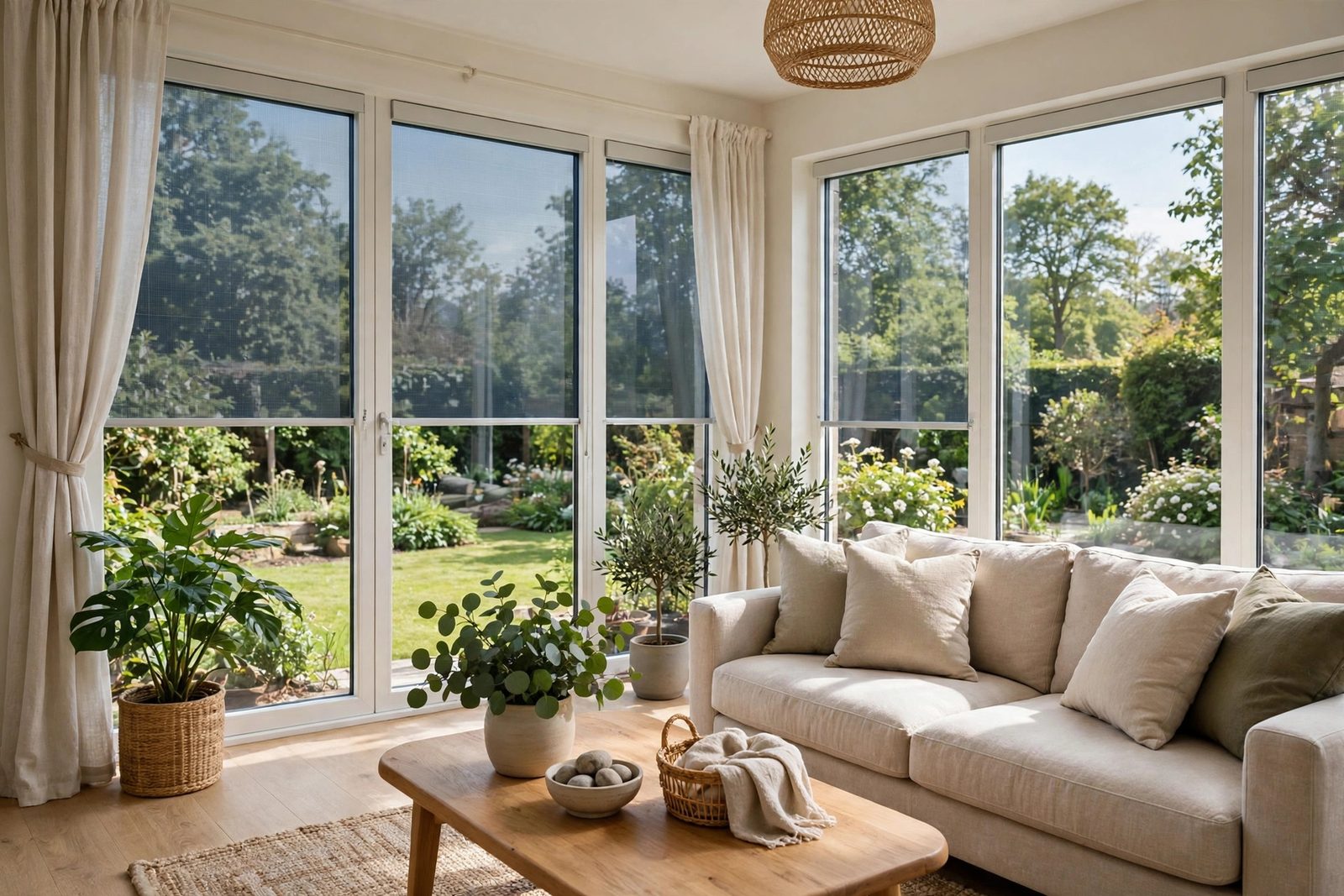
What Home Window Tinting in Snellville, GA Changes Inside the House
Home film is a thin, professionally fitted layer bonded to the inside face of the glass you already own. Judge it by TSER — total solar energy rejected — rather than by darkness or by an infrared number quoted on its own: good ceramic films reach TSER in the low 60s percent, flagship films run around 71%, and quality film blocks about 99% of UV. No honest installer will promise that a film stops virtually all of the sun's heat.
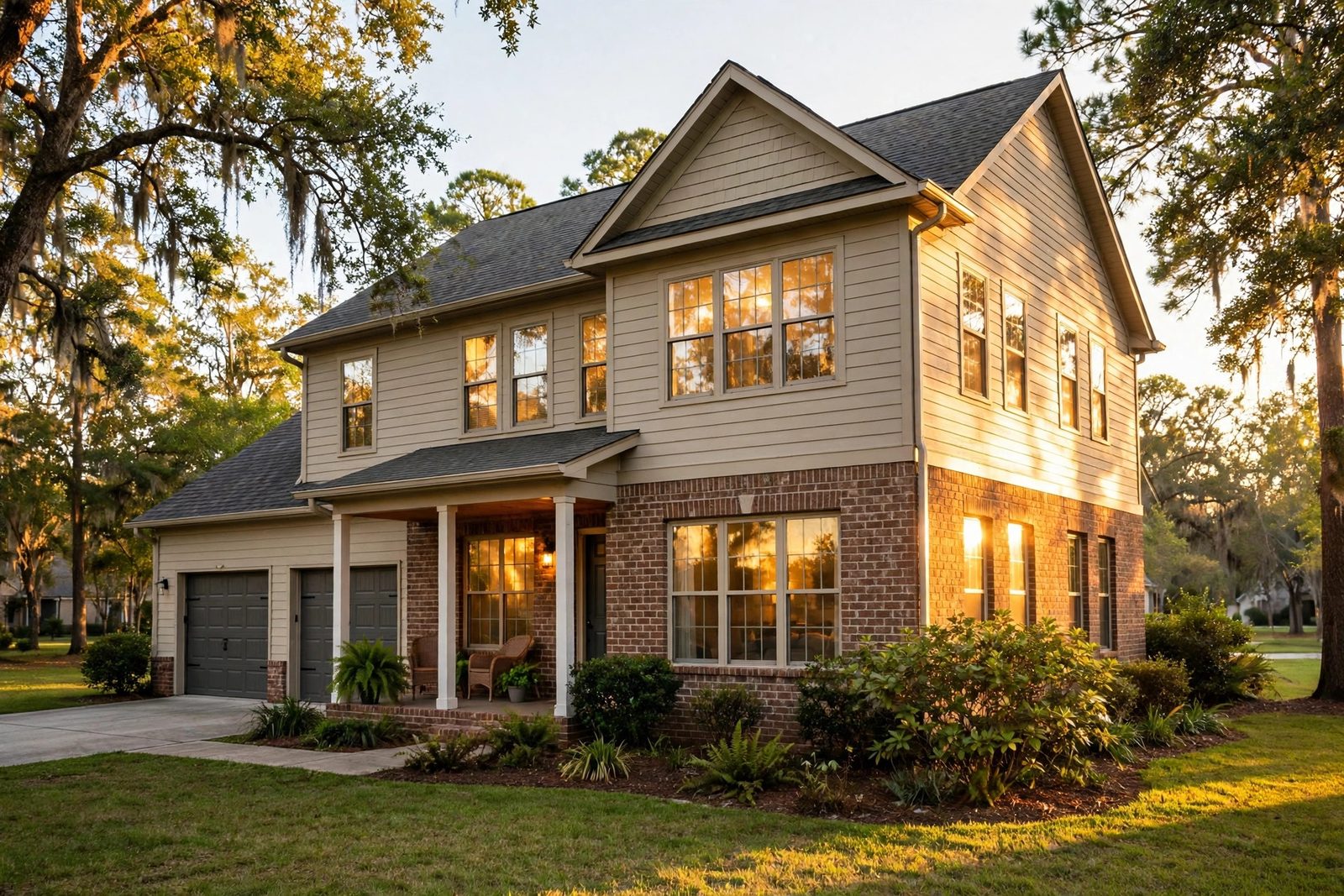
Snellville housing makes the case on its own. The ZIP market is overwhelmingly single-family detached homes — big two-story family rooms, sunrooms, transoms and sliding doors, much of it built from the 1970s through the 2000s with clear dual-pane glass that rejects almost no heat. With July average highs around 90°F and UV indexes of 9.7 to 9.9 in June and July (Atlanta NOAA normals, the honest local proxy), west and south glass turns rooms into storage space every summer.
Why Snellville Homeowners Put Film on the Glass
Four reasons come up on almost every home visit, and none of them requires darker rooms or new windows.
Lower summer cooling bills
Georgia Power's average residential price was 16.29¢ per kWh in 2025, and its summer rates for June through September step up above 650 and then 1,000 kWh — so the afternoon solar load is literally the most expensive electricity you buy. Parts of Snellville are served by Walton EMC or Snapping Shoals EMC instead, and the math works the same way: Georgia Power and local EMC customers alike pay less when west glass stops dumping heat into the house.
Floors and furniture stop fading
The pale stripe across a hardwood floor and the faded arm of a sofa nearest the window are UV damage, and film that blocks about 99% of UV slows it dramatically. Rugs, artwork, leather and wood finishes near west and south glass keep their color years longer, which matters in rooms built around a view of the yard.
Glare control for screens and homework
A light ceramic film takes the sting out of late-day sun on televisions and laptops without turning the room into a cave. Kids can do homework at the kitchen table and you can keep the blinds open, because the film is doing the work the blinds used to do.
Daytime privacy at sidelights and street-facing rooms
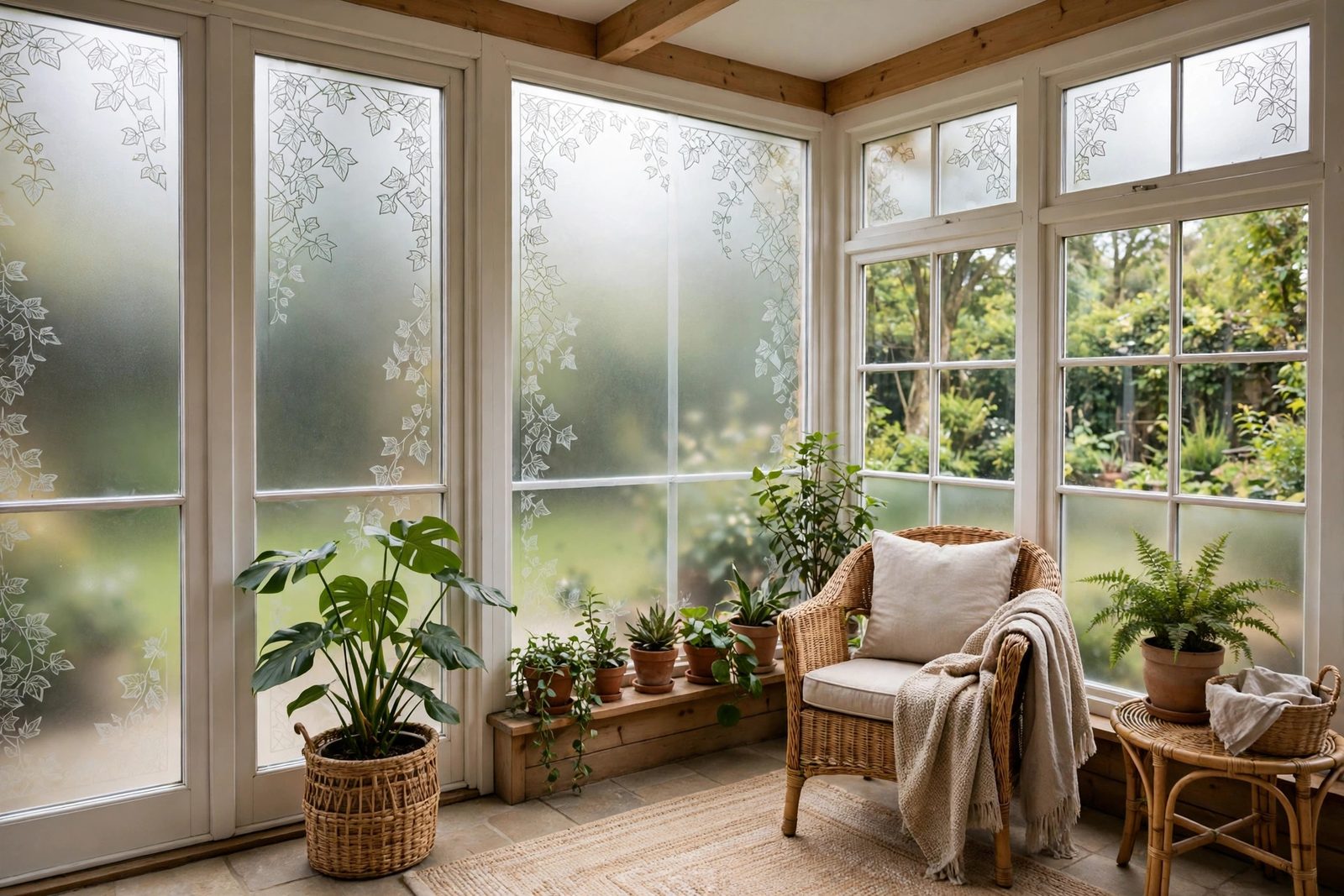
Frost film on entry sidelights and bathroom glass gives privacy around the clock, and dual-reflective film adds daytime privacy on street-facing rooms while the sun is up. One honest limit: tinted-glass privacy reverses at night when interior lights are on, which is exactly why sidelights usually get frost instead of a tint shade.
How a Home Film Job Runs, Step by Step
Five steps from the first visit to the final walk-through, whether the job is three sidelights or a whole house.
Walkthrough, measurements and compatibility check
We walk the house with you, measure every pane, note which rooms run hot, and identify your glass — dual-pane, Low-E coated, tempered — before any film is discussed. Compatibility comes first, because the wrong film on the wrong glass can raise thermal stress; if a pane should not be filmed, we say so at the quote, not after the install.
HOA check and film spec sheet
Many Snellville subdivisions are swim-and-tennis communities whose covenants restrict reflective exterior glass. We steer those homes to low-reflectance, HOA-friendly film, and we can hand you a film spec sheet with the numbers your HOA or architectural review committee will ask for, so approval is a formality instead of an argument.
Cutting and glass prep
Film is cut to your measurements, floors and furniture are protected, and every pane is cleaned so the bond is glass-to-film with nothing trapped between. Where old dyed film has gone purple or bubbly, it comes off first — new film over failed film fails fast.
Installation, room by room
Each piece is wet-applied, squeegeed flat and trimmed tight to the frame. West and south rooms usually get the ceramic film, view rooms get lighter spectrally selective film, and sidelights get frost — one house rarely wants one film everywhere. Most single-family jobs are finished in a single visit.
Cure, care and warranty
Film cures over days to a few weeks in Georgia humidity, and a light haze or small water pockets during that window are normal. You get simple care instructions — soft cloth, mild soap, no abrasives — and the warranty position stated plainly: a lifetime warranty on the film.
Window film expertise you can check
O2 Window Tinting is a Snellville shop at 3304 Stone Mountain Hwy, run by owner Octavius Tolbert, with a Google rating of 4.9 from 603 reviews. We sell film by type and performance — ceramic, carbon, dual-reflective, frost — and we will show you the TSER figure for anything we quote instead of a brand story.
- Google 4.9 rating from 603 reviews — read them before you call
- Film quoted by type and TSER, never by a brand claim we cannot back up
- Compatibility check on dual-pane, Low-E and tempered glass before install
- Film spec sheet available for your HOA or architectural review committee
- Failed film removed and replaced when a pane needs a fresh start
Why Snellville Homeowners Choose O2 for Home Film
Plenty of crews can stick film on glass. The difference is what gets checked before the first pane is cut, and who answers the phone afterward.
No vehicle tint law applies to your house
Georgia's window tint statute, O.C.G.A. § 40-8-73.1, covers motor vehicles only — there is no Georgia state VLT law for buildings, and anyone quoting car rules at your kitchen table has the wrong rulebook. The real constraints on a house are HOA covenants and glass compatibility, and both are handled before your install, not discovered after it.
Honest heat numbers
We lead with TSER because it is the figure that predicts how a room feels: ceramic films reach the low 60s percent, and flagship films sit around 71%. Infrared percentages are measured differently by every maker, so we footnote them instead of headlining them — and we never quote a film as stopping virtually all heat, because none does.
The right film room by room
A two-story west-facing family room, a north-facing bedroom and a bathroom sidelight are three different problems. Ceramic goes where the heat is worst, spectrally selective film goes where the view matters most, and frost goes where privacy has to work at midnight as well as noon.
A local shop that answers
We are at 3304 Stone Mountain Hwy, Snellville, GA 30078, open Mon–Fri 9 AM–6 PM and Sat 9 AM–5 PM, closed Sundays. Call (770) 674-2766 and you reach the shop that measured your house — not a call center — if a pane ever needs attention.
What a Whole-Home Film Quote Includes
October 2026 guide pricing, framed as guides rather than quotes: basic solar and dyed film runs $5–8 per square foot, dual-reflective and metalized film $7–12, and ceramic or spectrally selective film $10–15, with premium film to $20. A typical whole-home project lands between $650 and $2,000 or more, and sun-side partial jobs commonly run $500–1,500. Your written quote follows an actual measurement.
What's Included
Measurement of every pane
Square footage drives the price, so we measure each window instead of estimating from the street. Arches, transoms, French doors and sliders are counted individually, and the count is on your quote where you can check it.
Compatibility and HOA paperwork
Your quote notes the glass type at each elevation and the film matched to it, plus a spec sheet for your HOA if your subdivision reviews exterior changes. That paperwork is part of the job, not an extra.
Removal of failing film, quoted separately
Purple, bubbling or peeling film has to come off before new film goes on, and removal time depends on how the old adhesive lets go. We price it as its own line so you can see exactly what the cleanup costs.
Film, labor and cleanup
The quoted price covers the film itself, the install labor, protection for floors and furnishings, and a cleaned room when we leave. There is no separate charge for the ordinary prep that makes film bond properly.
Walk-through and care sheet
We walk every filmed pane with you, point out normal cure haze, and leave care instructions: soft cloth, mild soap, nothing abrasive, and patience while the film dries out in the humidity.
Home Problems Film Solves in Snellville Houses
Most home calls start with one of these four complaints. All four are glass problems, and glass problems have a film answer.
The two-story family room nobody uses after lunch
Tall west glass pours heat into the room all afternoon, the thermostat never catches up, and the biggest room in the house sits empty from May through September.
Ceramic film on the west and south elevations cuts the solar load at the glass — TSER in the low 60s percent on quality ceramic — so the room stays part of the house in July instead of a part-time sauna.
A sunroom that is only pleasant in April
Glass on three sides means a sunroom overheats by late morning and stays hot into the evening, so the room built for relaxing gets used for storage.
Spectrally selective or ceramic film across the sunroom glass trims heat while keeping the garden view the room exists for. Lighter films suit shaded elevations; the sun-struck side gets the stronger spec.
Hardwood and rugs fading in a stripe
Sun through untreated glass bleaches a visible path across floors and fabrics within a few seasons, and refinishing hardwood costs far more than filming the glass above it.
Film blocking about 99% of UV slows that fade dramatically. It will not restore color already lost, but it protects the floors, rugs and upholstery you have from the same stripe next summer.
Front-door sidelights everyone can see through
Tall, clear sidelights flank thousands of Snellville front doors, and at night with the hall light on they work like display windows for the entry and stairs.
Frost and decorative film turns sidelights private day and night while still admitting soft light. It is one of the smallest, cheapest jobs we do, and homeowners usually wish they had done it years earlier.
Four Snellville Home Calls We Hear Every Summer
A two-story home near Summit Chase whose west-facing family room overheats daily
We check the dual-pane glass for compatibility, then fit ceramic film across the west and south elevations and leave the shaded north glass clear.
The tall room rejoins the house for summer afternoons, and the AC stops spending the whole evening recovering from the day's solar load.
A 1990s ranch in Centerville with sunroom glass on three sides
Spectrally selective film goes on the sun-struck elevations, with a lighter film where trees already help, keeping the room bright without the bake.
The sunroom becomes an everyday room again — morning coffee in June included — instead of a space the family walks through with sunglasses on.
A split-level in Skyland with lower windows at street eye level
Dual-reflective film adds daytime privacy to the street-facing rooms, and frost film covers the bathroom glass where privacy has to hold after dark too.
Blinds stay open during the day, the lower level feels like part of the home instead of a fishbowl, and the house keeps its daylight.
A newer Brookwood-area build with young trees and full-day exposure
With no mature canopy yet, we spec ceramic film for the rear glass wall and sliders, and confirm the low-reflectance choice against the subdivision's HOA covenants first.
The open-plan main floor stops splitting into a hot half and a cold half every afternoon of the first summer in the house.
Tools and Methods Behind a Clean Home Install
Tools & Equipment
Plotter cutter
Cuts each piece to the measured shape of its pane, including arches and half-rounds, so edges meet the frame cleanly instead of being trimmed freehand on your glass.
Squeegee and application fluid
Application fluid lets the film be positioned precisely; the squeegee then works the fluid and air out so the bond sets flat, clear and bubble-free.
Heat gun
Gently shrinks film to curved or oversized glass and settles corners on bay windows and French doors where a flat sheet would otherwise lift.
Steamer and razor blade
Steam softens old adhesive so failed film lifts in sheets, and the blade clears residue during prep — the same kit that removes purple film without scarring the pane.
Surface thermometer
A spot check of glass temperature before and after fitting shows the direction of travel at the pane itself. The figure we actually spec by is TSER, and it is printed on your quote.
Microfiber cloth
The final wipe on every pane and frame. It leaves no lint behind the film edge and no streaks on the glass you will look through for years.
Methods & Techniques
Measure twice, cut once
Every pane is measured and dry-checked before its film is cut. Odd sizes and out-of-square older frames get caught on paper, not discovered with a wet piece of film in hand.
Wet installation
Film is applied wet so it can be aligned and squeegeed into a lasting bond on large residential panes. It is the standard method for flat glass, and it is why edges stay down.
Per-room film selection
Film type follows the room: ceramic where heat is worst, spectrally selective where the view matters, frost where privacy must hold at night. One film for the whole house is a shortcut we do not take.
Building film is not vehicle film
No Georgia VLT law governs house glass, so the pre-install checks that matter are glass compatibility and your HOA's covenants. Both are confirmed before cutting, and the spec sheet for your film goes in your paperwork.
Home Film Across Snellville's Neighborhoods
Snellville's tint market is really its two ZIP codes, 30078 and 30039: large, mostly single-family homes with more glass than the houses they replaced. What changes from street to street is orientation, tree canopy and HOA rules — which is why the film plan changes with them.
Service Areas
Newer streets near Brookwood High have young landscaping and big rear glass, so first-summer heat is the common call. Low-reflectance ceramic keeps those homes inside HOA expectations.
Established swim-and-tennis streets with two-story family rooms and sliders onto decks. West elevations get ceramic; sidelights by the many front doors get frost.
Older ranches and split-levels mix with brand-new builds on cleared lots. The older homes often need failed film removed first; the new ones need heat control from day one.
Lake-facing glass takes reflected glare off the water on top of direct sun. Spectrally selective film protects floors and furniture while keeping the lake view the house was bought for.
Local Considerations
West glass and two-story rooms
Tall family-room glass facing west is the single biggest heat source we film in Snellville. It gets the strongest ceramic spec in the house, every time.
Summer tiers make afternoon heat expensive
June-to-September tiered pricing means the kWh your AC burns fighting solar gain are your priciest. Cutting gain at the glass targets exactly those hours.
HOA covenants in swim-and-tennis subdivisions
Reflective or mirrored-looking film is the classic covenant complaint. We default to low-reflectance films in HOA communities and supply the spec sheet for your records.
Cure time in Georgia humidity
Humid air slows drying, so home film here can take a few weeks to fully cure. Light haze early on is the film drying, not a defect — it clears as moisture leaves.
Three Home Jobs, Told Straight
A two-story family room with clear dual-pane glass facing due west was the hottest room in the house every afternoon, and a portable AC unit lived in it from May to September without really winning.
After a compatibility check, ceramic film went on the west and south glass. The room settled back in line with the rest of the house, the portable unit went back to the garage, and the blinds could stay open.
Looking after the family-room film
Clean it with a soft microfiber cloth and mild soapy water once it has cured. Skip paper towels and ammonia-based sprays, which are hard on film surfaces over time.
A sunroom on a 1990s ranch had become a summer no-go area: glass on three sides, full sun by late morning, and furniture fading in a bright stripe across the floor.
Spectrally selective film went across the sun-struck glass, lighter film where the trees help. The room kept its garden view, the heat backed off, and the fading stripe stopped advancing.
Looking after sunroom film
Give sunroom film its full cure before the first wash — it gets more sun and dries on its own schedule. After that, ordinary gentle cleaning is all it asks for.
A homeowner's entry sidelights and a street-facing bathroom window left the front of the house on display, especially at night with the hall light on.
Frost film on the sidelights and bathroom glass ended the display-window problem in a single short visit, while still letting soft daylight into the entry.
Looking after frost film
Frost film needs nothing special: a soft cloth and mild soap. Because it is decorative as well as private, avoid abrasive pads that could mark the finish.
Frequently Asked Questions
Straight answers on cost, HOAs, glass safety and lifespan. Anything else, call (770) 674-2766 and ask.
Call UsHow much does home window tinting cost in Snellville, GA?
As an October 2026 guide: basic solar and dyed film runs $5–8 per square foot installed, dual-reflective and metalized film $7–12, and ceramic or spectrally selective film $10–15, with premium film to $20. Typical whole-home projects land at $650–2,000 or more; sun-side partial jobs often run $500–1,500. We measure your glass and quote the actual number before work starts — see our pricing page for the full guide.
Will window film damage my windows or void their warranty?
It can, if the wrong film goes on the wrong glass — that is the honest answer. Some films are not suited to certain dual-pane, Low-E or tempered panes, and a mismatched film raises thermal-stress risk. That is why every O2 home job starts with a glass-compatibility check: we match film to glass, and if a pane is not a good candidate, we tell you before anything is ordered.
Does my HOA allow home window film?
There is no Georgia law against film on house glass — the state tint statute covers vehicles only. Your HOA covenants are the real checkpoint, and reflective, mirror-like film is what they usually restrict. We recommend low-reflectance, HOA-friendly film, suggest you confirm your covenants, and can provide a film spec sheet for your HOA or review committee.
How long does home window film last?
Quality ceramic and spectrally selective films serve for many years on residential glass, while the cheapest dyed films fade fastest and can turn purple. O2 states its warranty plainly: a lifetime warranty on the film. Keep the film clean with a soft cloth and mild soap, let it cure fully in the first weeks, and it should not need attention.
Ratings and Reviews You Can Check
Proof, not promises
Customer Reviews
I got all my vehicles tinted from him he's the best!! No peeling or anything!!
My experience was very professional from start to finish at 02 Window Tinting. It did not take long at all and I drove away very satisfied with the work.
Great experience! Fast and friendly service. Knowledgeable about tinting and years of experience. I will definitely be back and recommending this place to others.
I love my window tint! I brought my car down the same day and it was done before I knew it along with 2 other customers cars. They're very professional, knowledgeable, and very efficient in what they do. I will definitely continue to bring my cars, and recommend to everyone that this is the best place to get your window tint done!
Related Services
Vehicle tint, building film and the guides behind our home quotes
Car Window Tinting
Sedans and coupes tinted full-vehicle in ceramic, carbon or dyed film — metered legal, computer-cut, done in hours.
Car Window TintingCeramic Window Tint
Maximum heat rejection without a darker shade: nano-ceramic film, up to 99% UV block, no signal interference.
Ceramic Window TintCarbon Window Tint
The color-stable workhorse — strong heat cut, matte factory look, and it can never turn purple.
Carbon Window TintTruck Window Tinting
Legal fronts and work-ready privacy behind the driver, verified from your truck’s own door-jamb label.
Truck Window TintingSUV Window Tinting
Darker rear glass where Georgia allows it, cool third rows, fronts metered legal.
SUV Window TintingTesla & EV Window Tinting
Ceramic for EV glass and panoramic roofs — serious heat control with zero sensor or signal issues.
Tesla & EV Window TintingCommercial Window Tinting
Storefront, office and medical glass — measured on site, installed around your hours.
Commercial Window TintingStorefront Window Tinting
Glare control that keeps displays bright and merchandise unfaded, plus anti-graffiti options.
Storefront Window TintingOffice Window Tinting
Frost privacy and solar control for workplaces, installed without disrupting the day.
Office Window TintingWindow Tint Removal
Failed film steamed off clean — defroster lines protected, glass left spotless.
Window Tint RemovalWindow Tint Repair
Peeling or bubbling film assessed honestly: save what can be saved, replace only what has failed.
Window Tint RepairWhat Snellville homeowners say
Real Google reviews, published word for word. O2 Window Tinting holds a Google 4.9 rating from 603 reviews.
AMAZING!!!! I'm in loveeee. Great customer service and GREAT job. Highly recommend. Mr Octavius knew the assignment and delivered. He was very patient with my indecision and I thank him for that.
Nyalah Green
Google review
Brought my vehicle in to get windows tinted. Owner helped me make what I felt was the best choice, based on the outcome I wanted. He explained the difference between the variety of window film that he had and their properties. I got my 2 front windows done and I done in no time, so I just sat in his shop and watched the TV. Love the results, time, and customer service. Thank you.
Deon W.
Google review
Very pleased with the way my car turned out! O², and his son were both professional, & kept it with me regarding the questions I had before the installation. I called today, he told me to come today, and I was out in a few hours. Definitely recommend this business. My girl Stormi is sitting pretty! Do yourself a favor, and check them out!
Tam
Google review
Get a Home Film Quote in Snellville This Week
Bring us the rooms that bake, glare or feel exposed, and we will measure the glass, check compatibility and quote from the guide ranges. Visit O2 Window Tinting at 3304 Stone Mountain Hwy, Snellville, GA 30078, or call (770) 674-2766 — Mon–Fri 9 AM–6 PM, Sat 9 AM–5 PM, Sun closed.